


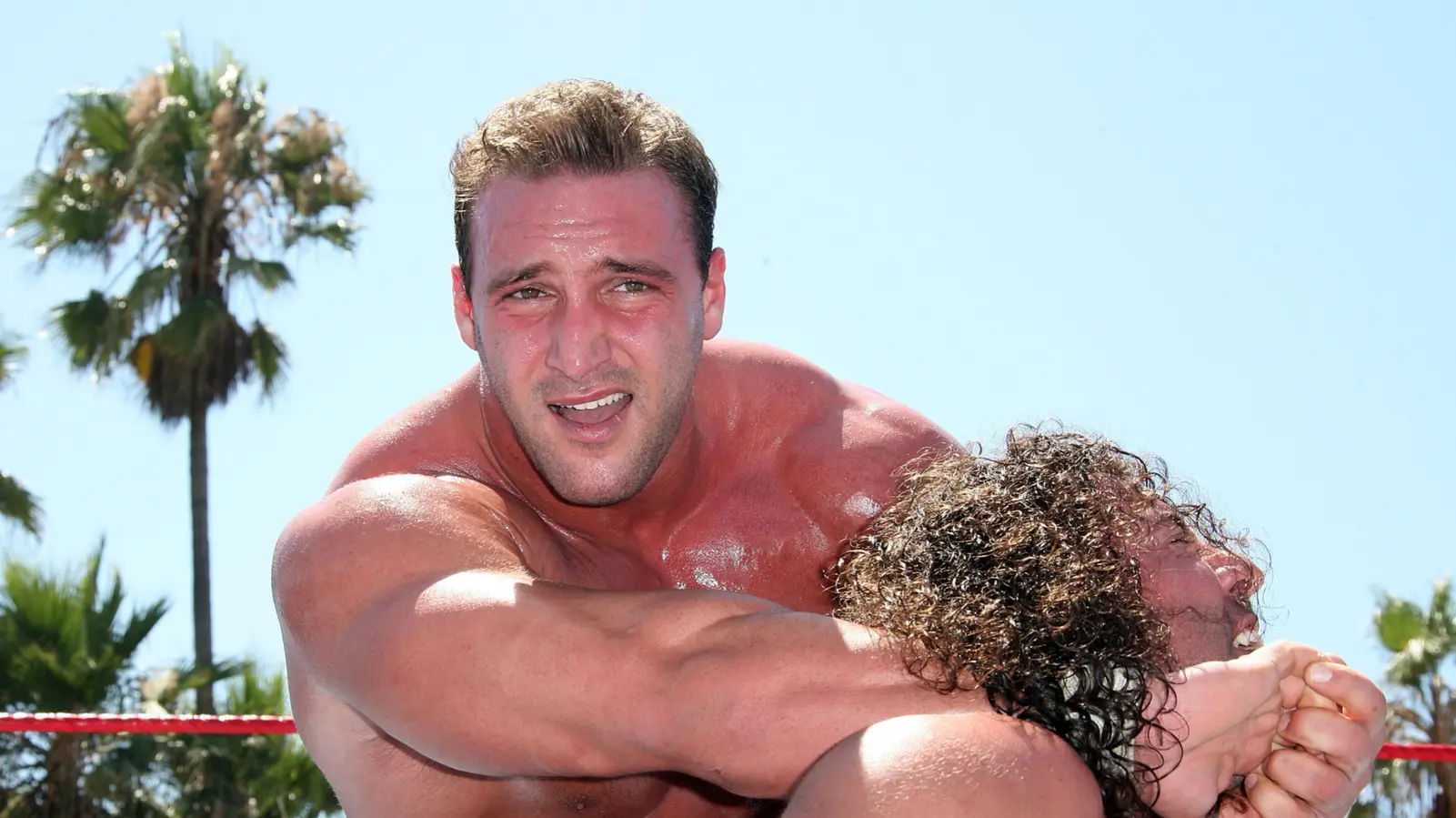
Former WWE star Chris Masters says he enjoyed playing a bad guy in wrestling even though he feels he is a good person in real life. Masters spoke about his career and character choices on the podcast Insight with Chris Van Vliet.
Masters on playing a heel
Masters became well known in WWE in the mid-2000s as “The Masterpiece,” a character that used The Masterlock hold and acted like a proud, arrogant star. The gimmick was a modern take on the old “Narcissist” style. He briefly moved toward the WWE Championship picture before leaving the company.
On the podcast, Masters said many wrestlers prefer playing heels. He added that, for him, it was a natural fit even though his real personality is closer to a babyface. “I think most guys do [prefer playing the heel],” he said. “But for me, it’s because…you know, I feel more naturally, probably a babyface. This is just me evaluating me.”
Why he likes the heel role
Masters gave two main reasons he liked playing a heel. First, it let him act differently from how he is outside the ring. That helped him deal with any real-life insecurities. Second, being a heel gave him more freedom in the ring and on the mic.
He explained that being a bad guy “takes the handcuffs off a little bit.” He said babyface characters often have limits on what they can do in a match or on camera. “As a babyface, there’s a lot of things you’ve gotta kind of avoid,” he said. “Like even just stomping a guy in the ring is not really babyface, unless you’re Steve Austin…but that’s just one thing of many.”
Masters also said mistakes are easier to recover from when you play a heel. “You can have f**k up, and it’s always kind of okay if you’re a heel,” he said. He used a recent botch by a top star as an example, saying it would have been easier to accept if that star had been a heel at the time.
Looking back on his career
Masters reflected on what might have been in WWE. Fans still remember his early run and the Masterlock, and many say he showed real promise. He said playing a heel gave him chances to tell different kinds of stories and show a different side of himself.
He was honest about his nature outside the ring and why the contrast between real life and his character made the heel work for him. The interview gives a clear look at how a performer balances personality and role in professional wrestling.
Watch the interview
For the full conversation, listen to Masters on Insight with Chris Van Vliet below.
Quotes credited to Insight with Chris Van Vliet.