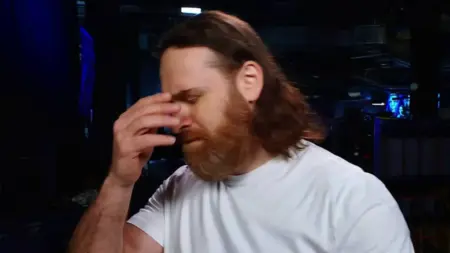

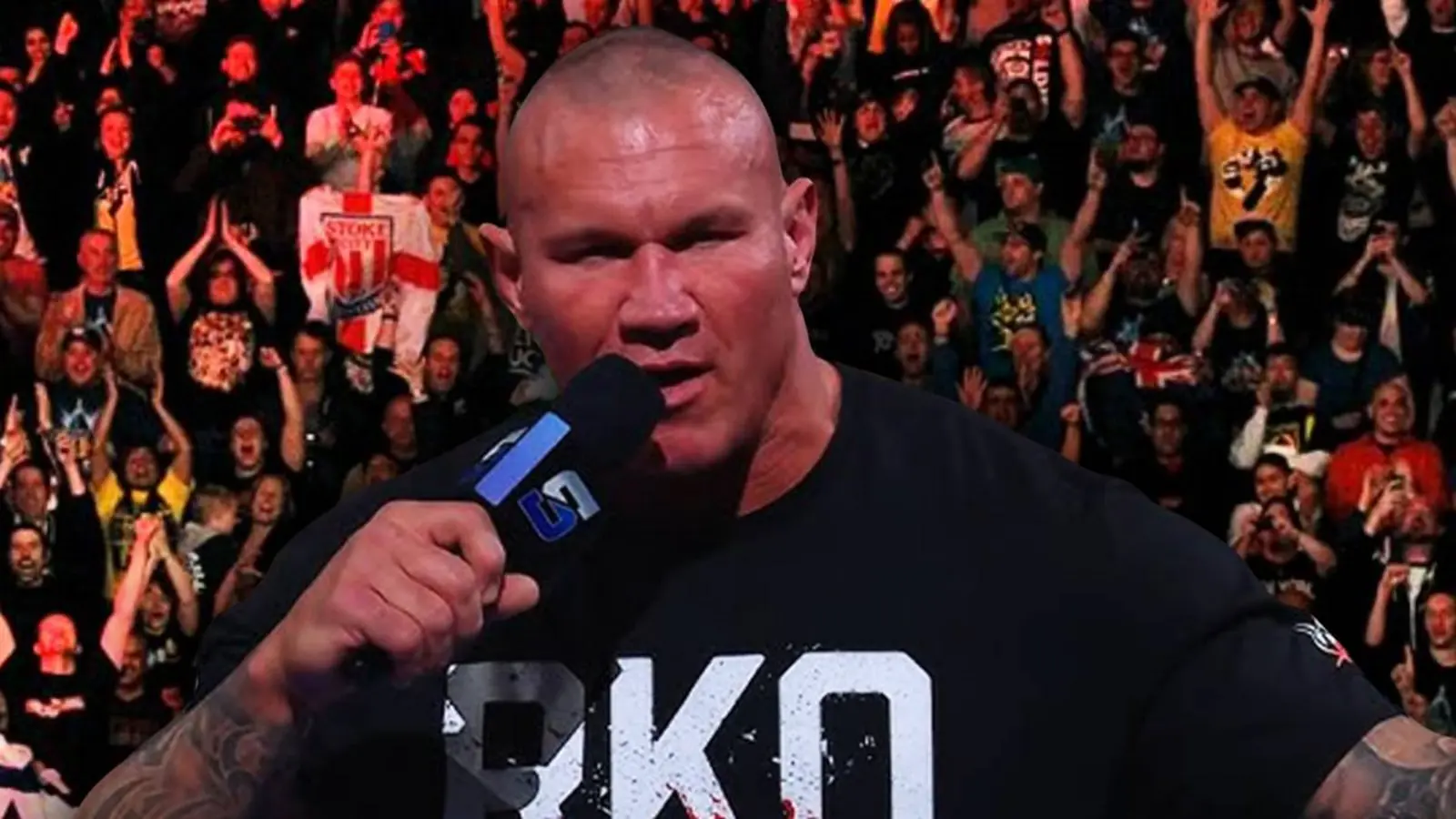
Randy Orton shocked fans when he turned on longtime friend Cody Rhodes during a WWE SmackDown contract signing. Instead of boos, the crowd cheered. That reaction has left many asking whether Orton is still a babyface or something else entirely.
What happened on SmackDown
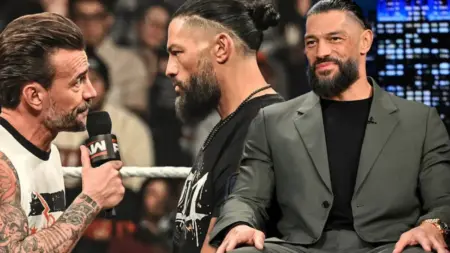
On the March 13 SmackDown, during a WWE Championship contract signing, Orton attacked Cody Rhodes and left him bloodied. Rhodes had earlier won back the title and the match with Orton was set for WrestleMania 42. Orton had won the Elimination Chamber, and Drew McIntyre had been in the title mix earlier. Instead of the expected heel reaction, the crowd cheered Orton’s attack and begged for more.
Fans welcomed the violence
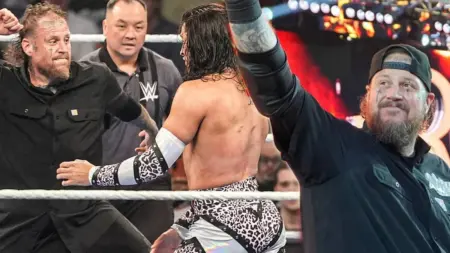
When Matt Cardona got involved the next week, Orton attacked him too. The crowd chanted “One more time!” as Orton laid into Cardona. Even when others tried to stop things, the fans seemed to enjoy the aggression. Modern wrestling audiences often cheer wrestlers who bring more danger and excitement, even if those wrestlers are supposed to be villains.
Orton’s explanation
Orton has offered a clear reason for his actions. In his promo before the attack, he said he needed to win the title badly. He also said he had to be his full self in the ring. Rhodes told Orton he would bring out the “Legend Killer” in him. Orton later used that line to justify the assault.
“Let me take this weight off your shoulders. Because I’m sure you’re hearing the voices in your head, and when the bell rings, that’s what I expect. That’s what they expect… And I know when the bell rings, I get the Legend Killer.”
Orton did not attack fans or complain about them. Instead, he said he was answering Rhodes’ call to be the best version of himself. He also attacked anyone who got in his way, including Cardona and later Jelly Roll, saying they interfered in things that did not concern them.
What this means for Orton’s character
WWE now deals in blurred lines. The old face-versus-heel rules are weaker. Fans root for exciting characters, even if they are violent or mean. Orton’s Viper persona—cold, sudden and dangerous—has always worked. Many fans seem to prefer that version of Orton to a polite, smiling champion.
There is also extra mystery. Orton has been shown talking on the phone to an unknown person. That subplot adds intrigue and keeps fans guessing about his motives and future moves.
Some critics say WWE might have misread the crowd if they expected Orton to be booed. Others argue the crowd reaction was part of the plan: give fans a version of Orton they love, even if he is on the wrong side of the rules. Either way, the reaction shows how modern audiences respond to danger and nostalgia.
For now, Orton’s actions have made him more powerful on the show. Whether he is a babyface by name or a crowd favorite by action, the Viper is once again a figure fans want to see in big moments—right up to WrestleMania.