

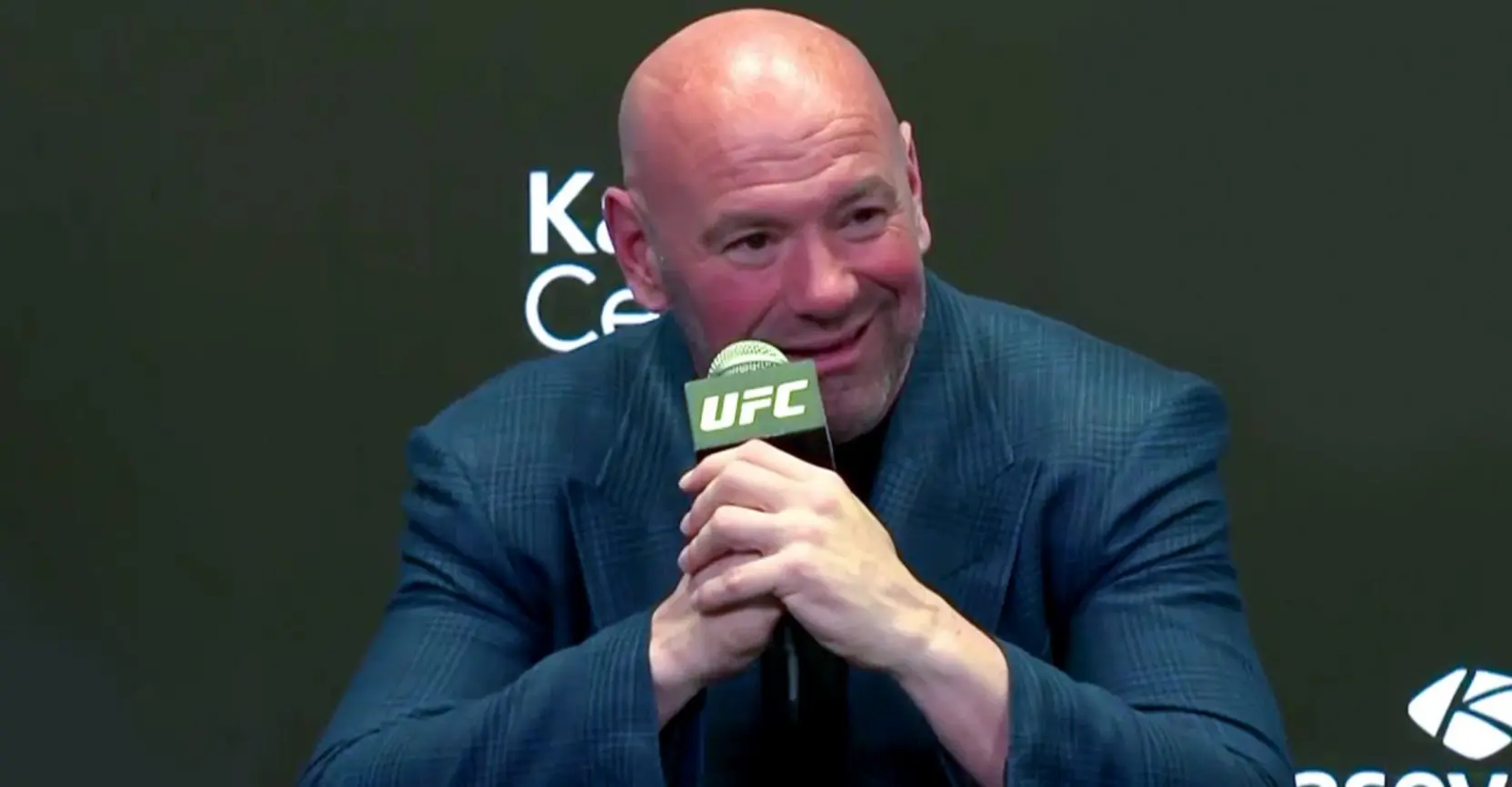
Dana White says he no longer handles fighter contract talks for the UFC. The longtime CEO says he has stepped back from that work so he can focus on other parts of the job.
White removes himself from negotiations
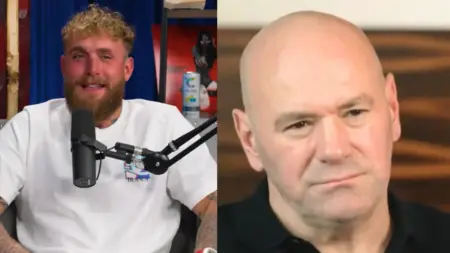
On a recent appearance on SPEED with Harvick and Buxton, White said, “I have completely removed myself from the negotiating part of fighter contracts.” He added that the work stopped being fun for him and that he is lucky to be at a point in life and career where he can do only the parts he enjoys.
For many years, White was a central figure in contract talks. He often took a direct role in some of the promotion’s biggest deals. Now, with the company much larger, other executives handle those talks. White did not name who is now in charge of negotiations.
Why the change matters
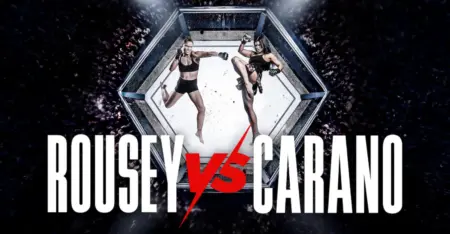
The move shows how the UFC has grown. White, now 56, said the early days were very different. Back then the promotion was smaller and he could build close personal relationships with fighters. He mentioned old stars like Chuck Liddell and Matt Hughes and later stars such as Conor McGregor and Ronda Rousey.
White said fighters used to come to him not only about money and contracts but also for personal support. With a much bigger roster and the company operating under the TKO Group umbrella, those personal, direct conversations are not as common.
He is still the public face and decision maker
Even though White has stepped away from contract negotiations, he remains heavily involved in the promotion’s direction. He still serves as the public face of the UFC and plays a key role in big decisions about events and strategy.
Earlier this year, reports said he is no longer actively doing matchmaking either. That change further highlights his move away from many of the hands-on duties that once defined his role.
What fans and fighters should expect
Fans and fighters can expect the UFC to keep operating as a large, global business. Contract talks and matchmaking are now handled by other people inside the company. That could mean less direct contact between fighters and White, but it also means more formal structures are in place to manage a growing roster.
White’s shift is part of a broader change in how the UFC runs. While he is stepping back from some daily tasks, he continues to lead and promote the sport at the highest level. He is focusing on the parts of the job he finds most enjoyable, while leaving negotiations and some operational duties to others.